What Causes Hot Tub Rash and How to Prevent It
Hot tub rash, also known as Hot Tub Folliculitis, occurs due to poor maintenance of hot tubs or spas. It is a skin rash caused by soaking in contaminated water. Hot tub rash can happen not only in hot tubs but also in swimming pools, lakes, or beaches where the water is contaminated.

What Causes Hot Tub Rashes?
1. Bacteria
The primary cause of hot tub rash is the bacterium Pseudomonas aeruginosa, commonly found in soil, plants, and water. This opportunistic bacterium thrives in low oxygen environments and can infect individuals with weakened immunity or damaged tissues.
2. Chemicals like Chlorine and Bromine
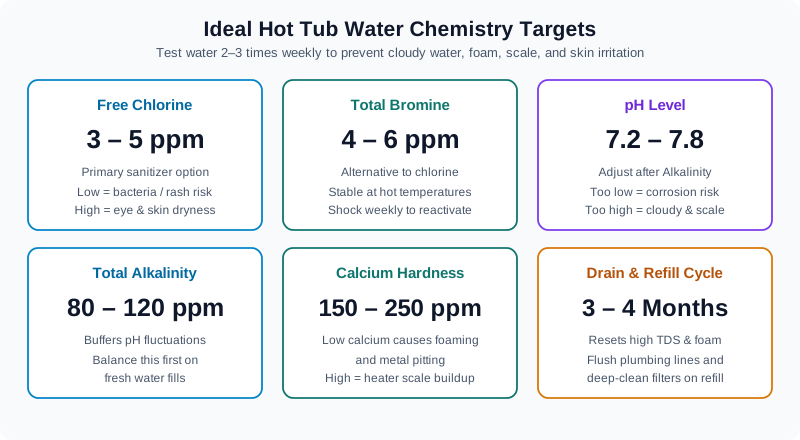
While chemicals like chlorine and bromine are used to keep water clean, excessive amounts can cause skin irritation by affecting enzymes that prevent hair follicle irritation. These rashes are not contagious but can occur due to overuse of these chemicals.
3. pH Levels
Contaminated water with improper pH levels can cause skin irritation. Regularly checking the pH level (optimal range: 7.2–7.8) of hot tub water can prevent rashes.
How to Spot Hot Tub Rashes
Hot tub rashes often start as red pimples, mainly appearing on the back, lower body, or upper body. These rashes cause itching and irritation, and as they grow, they can become more painful. Consult a doctor if the irritation becomes severe.
Steps to Prevent Hot Tub Rashes
1. Maintain Hygiene
- Ensure the hot tub and its surroundings are clean.
- Remove swimsuits after soaking and take a shower with soap.
- Pay special attention to children, as they are more vulnerable to bacteria and chemicals.
2. Use Chemicals Optimally
- Use chlorine and bromine within recommended limits.
- Avoid excessive use of chemicals, and consider protective measures for pets in the hot tub.
3. Regular Water Cleaning and pH Testing
- Regularly cleanse hot tub water to avoid bacterial growth.
- Test the pH levels of the water twice a week using pH strips to ensure safety.
4. Avoid Scratching
- Resist the urge to scratch itchy spots, as it can worsen the condition.
- Use antibiotics or consult a doctor if the itch persists.
Bacteria Folliculitis vs. Chemical Irritation: How to Tell
| Clue / Symptom | Bacterial Hot Tub Rash (Pseudomonas) | Chemical Irritation (pH / Over-Sanitized) |
|---|---|---|
| Onset Timing | Usually appears 8–48 hours after soaking | Starts itching or stinging immediately or within an hour |
| Where It Appears | Worse under tight swimsuit areas that trap water | General exposed skin, dry patches, red eyes |
| Visual Appearance | Itchy red bumps that may form small pus-filled blisters | Dry redness, chapped skin, mild hives without pustules |
| Main Water Trigger | Free chlorine/bromine fell near 0 ppm; biofilm buildup | pH below 7.0 or above 8.0, or sanitizer above 10 ppm |
How to Decontaminate a Spa After an Outbreak
If Pseudomonas aeruginosa bacteria colonize your plumbing lines as slimy biofilm, regular daily chlorine doses often fail to eliminate it completely. Perform a full purge-and-drain reset before anyone soaks again:
- Shock or Flush Plumbing Lines: Remove filters and run an enzymatic spa pipe-flush cleaner (or super-chlorination cycle per manual guidance) through all jets for 20–30 minutes to strip hidden biofilm from hoses and manifolds.
- Deep-Clean or Replace Filters: Soak cartridge pleats in a dedicated filter-degreasing solution—or install fresh cartridges if existing filters are older than 12 months.
- Drain, Scrub & Refill: Follow our step-by-step drain guide, wipe the acrylic shell and pillow seams cleanly, and refill with balanced fresh water.
- Wash All Swimsuits & Towels in Hot Water: Bacteria thrive in damp synthetic Lycra/spandex swimwear—launder suits promptly after every soak.
Most mild cases clear on their own within 7–10 days once contaminated water is avoided. Seek prompt medical evaluation if you develop a fever, swollen lymph nodes, worsening pus-filled lesions, or if a rash lasts longer than a week.
Conclusion
Hot tub rashes can cause discomfort and health concerns. Maintaining proper hygiene, using chemicals judiciously, and regularly testing water can prevent rashes. If preventive measures fail, consult a doctor for appropriate treatment.